

Tren Maya Archaeological Route
Discover the archaeological sites you can visit along the Tren Maya route and explore the legacy of the ancient civilizations that inhabited southeastern Mexico. Find information to plan your visit, along with options for archaeological tours and excursions.
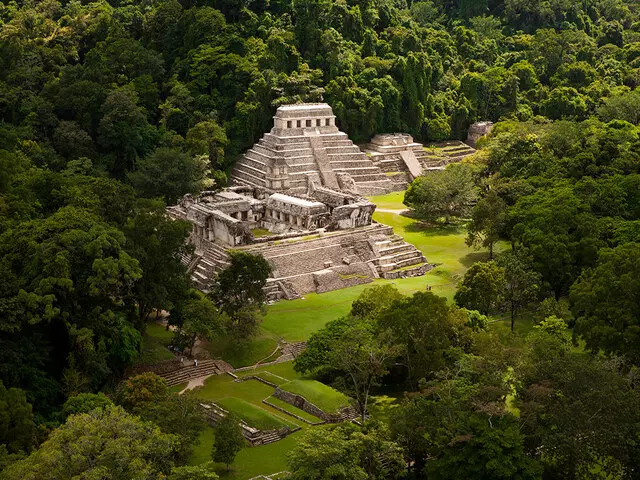
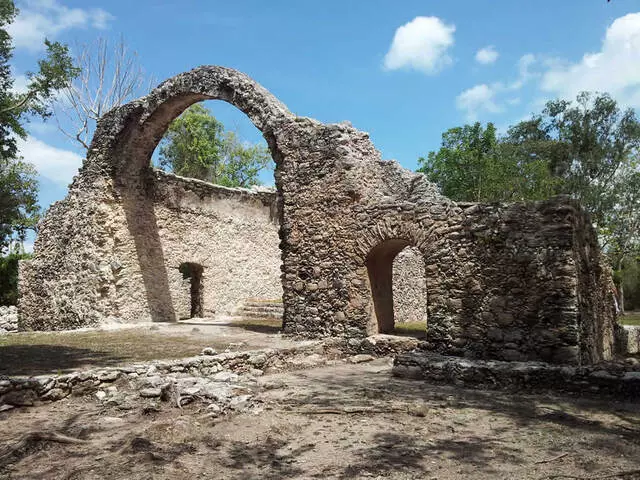
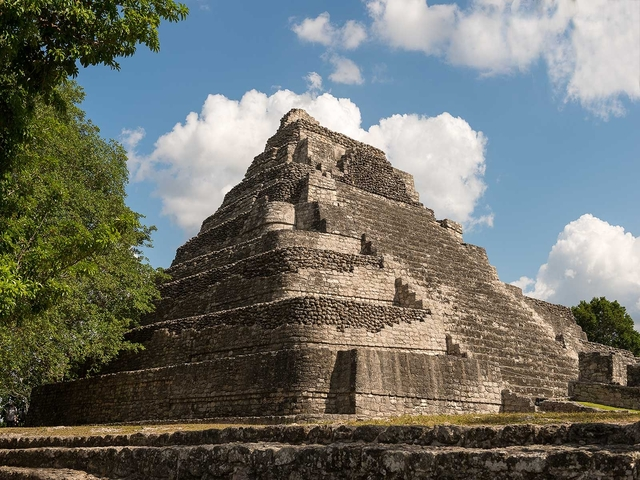
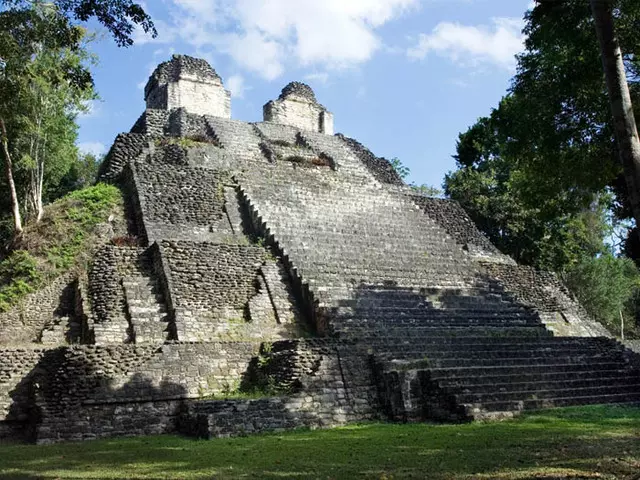
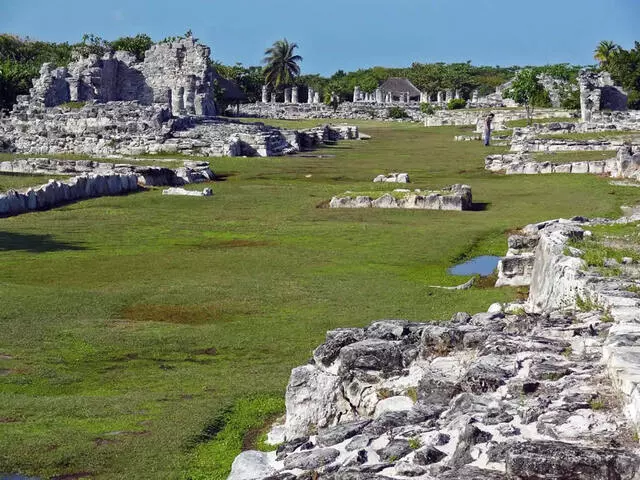
The Tren Maya travels through one of Mexico’s regions with the greatest archaeological wealth, crossing Campeche, Chiapas, Tabasco, Yucatán and Quintana Roo. Across these five states, there are dozens of archaeological sites that offer an opportunity to discover the architecture, history, and culture of the ancient Maya peoples and other civilizations of the region.
How ancient Maya cities may have looked
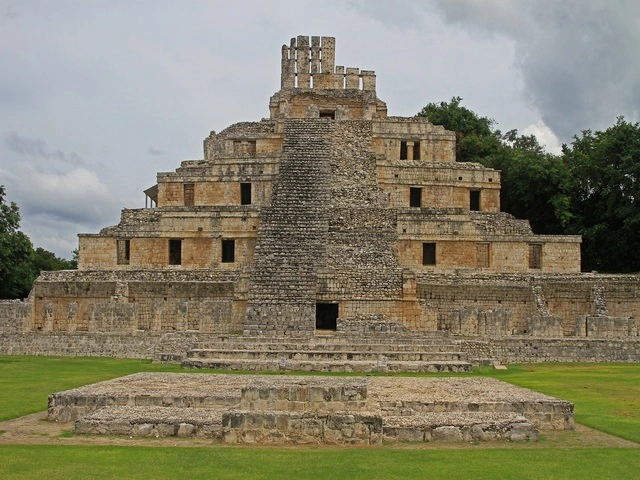
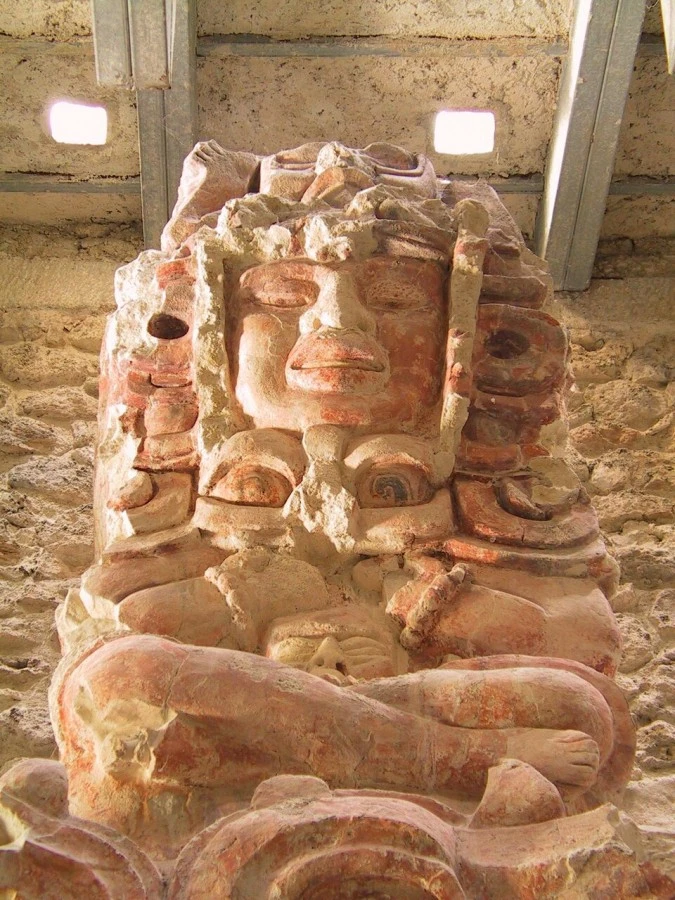
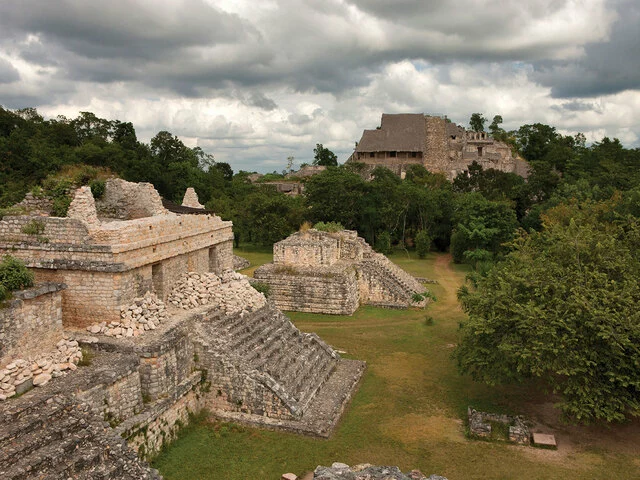
Today, we visit archaeological sites where temples, plazas, palaces, and other remains of ancient cities still stand. But many of these spaces were also decorated with stucco, sculptures, reliefs, and paintings, elements that have been lost over time or survive only partially.
The remains we can still see allow us to get closer to that world and imagine what these places may have looked like when they were filled with color and activity.


Explore the Tren Maya archaeological route
Puuc Route:
A distinctive architectural expression of southern Yucatán
The name Puuc refers to the region of low hills where this architectural style developed.
Its buildings stand out for their facades decorated with stone mosaics, geometric patterns, and large masks of Chaac, the Maya god of rain, elements that make the Puuc style easily recognizable.
In addition to its well-known archaeological cities, the region’s heritage includes other places of interest, such as caves and natural areas connected to the history and landscape of the Puuc region.


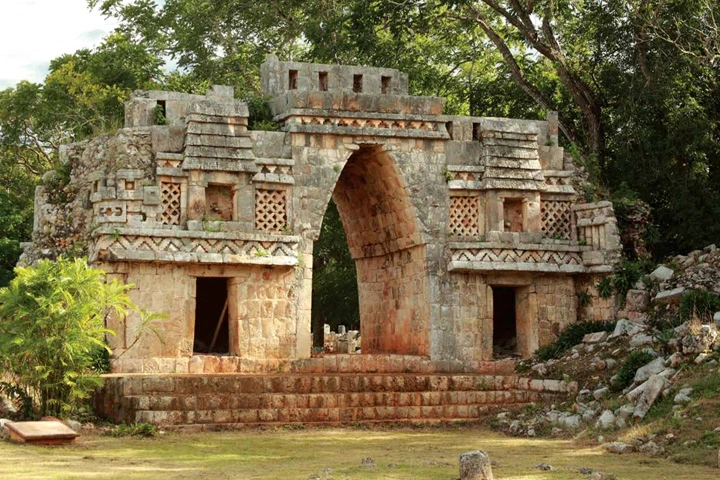


Would you like to explore the Puuc Route?
Discover the Puuc Route through an organized tour that combines several of its main archaeological sites, a practical option for exploring the architecture and legacy of the ancient Maya civilization in southern Yucatán.
Río Bec Route:
Monumental towers and distinctive architecture of southern Campeche
The Río Bec Route offers an opportunity to discover one of the most distinctive architectural expressions of the ancient Maya civilization. This region of southern Campeche is known for its monumental towers, terraces, and richly decorated facades, elements that gave the Río Bec style its own identity.
Its structures feature representations of sacred mountains, masks, and other stone motifs, integrated into buildings that stand out for their size and design.
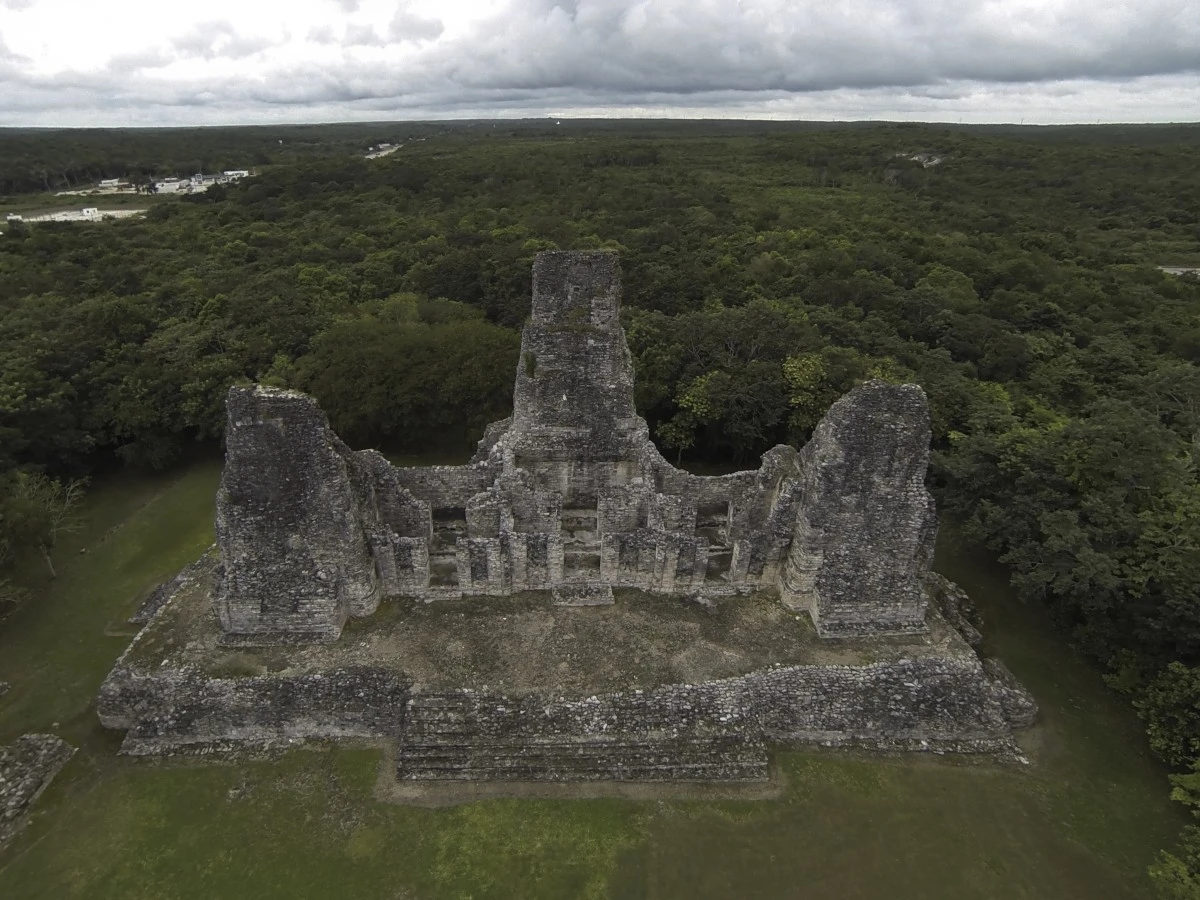
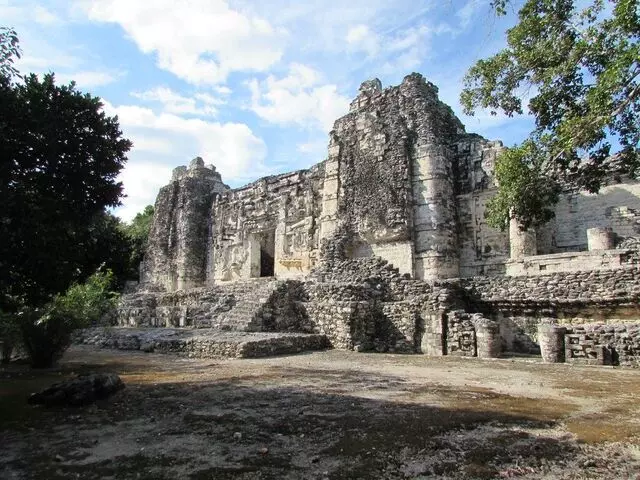
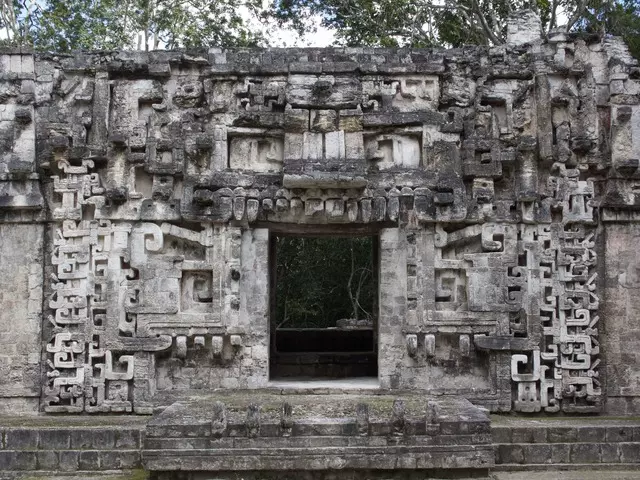


Would you like to explore the Río Bec region?
Discover the Río Bec archaeological region through a tour that allows you to visit some of the Maya sites that share this distinctive architectural tradition in southern Campeche.
Chenes Route:
Large zoomorphic facades in northeastern Campeche
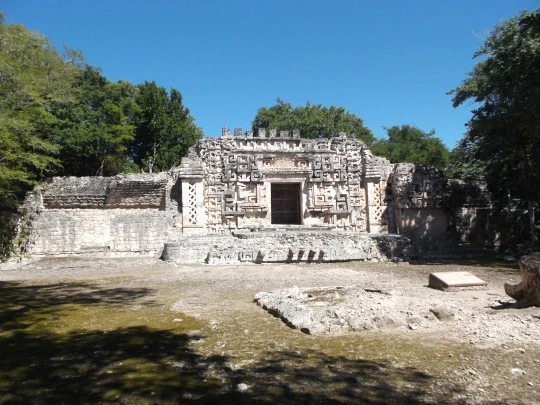
The Chenes Route is located in northeastern Campeche and brings together ancient Maya cities known for one of the region’s most striking architectural expressions. Their buildings stand out for their monumental facades, where large representations of supernatural beings and animals form part of the decoration and, in some cases, of the temple entrances themselves.
This style shares some elements with the architectural traditions of Río Bec, but it developed its own characteristics that make its buildings easily recognizable.


Would you like to explore the Chenes Route?
Discover the Chenes Route and visit some of the ancient Maya settlements in northeastern Campeche, known for their impressive facades and distinctive architectural features.





Archaeological sites in Tabasco


Archaeological sites in Yucatán



Archaeological sites in Quintana Roo




Looking for a tour to an archaeological site?
If you want to visit a Tren Maya archaeological site but can’t find the tour you’re looking for, we can help you find an option.
Send us your trip details through the form, and we will check which tour operator can accommodate your request. You can tell us which site or sites you would like to visit, the date, number of people, and any special requirements.
Tell us what you would like to visit, and we’ll contact you with an available option.